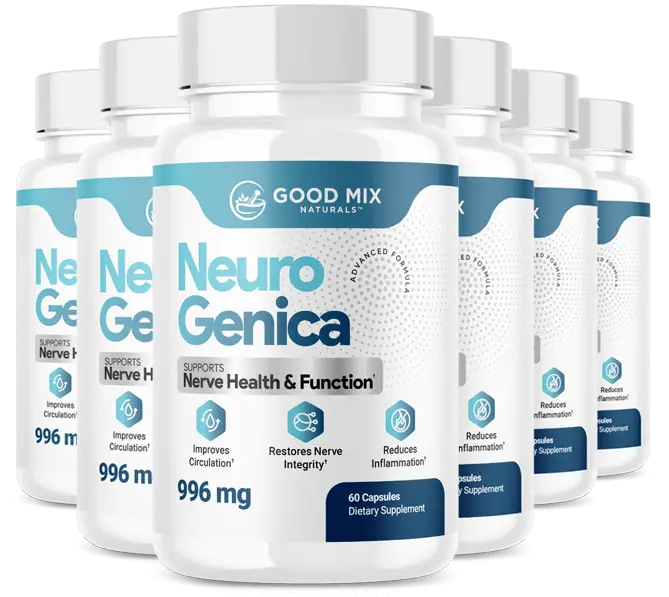
The NeuroGenica ingredients form a focused blend of B-vitamin nutrients, vitamin C, and phosphatidyl choline. The approved formula slots are benfotiamine, folic acid, phosphatidyl choline, vitamin C, riboflavin, and methylcobalamin. Each has a different nutritional role, and the combination is designed to support normal nerve and cellular functions through daily use.
Understanding those roles helps separate reasonable wellness support from exaggerated medical promises. Ingredients can contribute to energy metabolism, antioxidant defenses, normal cell division, or membrane structure without proving that the finished supplement treats neuropathy, eliminates pain, or regenerates damaged nerves. This guide explains what each ingredient contributes and what shoppers should check.
Benfotiamine
Benfotiamine is a fat-soluble derivative of thiamine, also known as vitamin B1. Thiamine helps the body convert carbohydrates into usable energy and supports normal nervous-system function. Because nerve cells have steady energy demands, vitamin B1 nutrition is relevant to maintaining their ordinary activity.
In NeuroGenica, benfotiamine supports the formula's metabolic foundation. It should not be described as an instant nerve soother or a guaranteed way to reverse damage. A more accurate view is that it supplies a specialized B1 form within a broader nerve wellness and cellular-energy blend.
People already taking a B-complex, multivitamin, or separate benfotiamine product should compare labels. Duplicate intake is easy to miss when several supplements share related vitamins. A healthcare professional or pharmacist can help review the combined routine, especially when medication or a diagnosed condition is involved.
Folic Acid
Folic acid is the supplemental form of folate, or vitamin B9. Folate contributes to normal cell division and the production of DNA and other genetic material. It also participates in one-carbon metabolism, a network of processes that connects closely with vitamin B12.
That partnership matters because NeuroGenica also contains methylcobalamin. The formula uses the two nutrients as complementary support for normal cellular and nervous-system processes. It is still important to avoid claiming that folic acid directly repairs nerve tissue or resolves sensory symptoms.
Folate needs can vary, and high supplemental intake may be inappropriate in some situations. Shoppers should account for fortified foods and other supplements. Anyone with a known B12 issue, anemia, medication concerns, pregnancy, or a medical condition should seek individual guidance before adding a new folic-acid product.
Phosphatidyl Choline
Phosphatidyl choline is a phospholipid and a source of choline. Phospholipids are major parts of cell membranes, where they help create the flexible boundary that separates a cell from its surroundings. Choline also has recognized roles in normal body function.
This ingredient gives NeuroGenica a structural-nutrition component that the vitamins do not provide. It supports normal cell-membrane integrity and communication at a general level. That is a meaningful role, but it does not prove that taking the formula rebuilds myelin, creates new nerves, or restores lost sensation.
Some descriptions call phosphatidyl choline a brain or nerve compound, but buyers should keep the claim proportional. The most defensible explanation is about membrane building blocks. People with ingredient sensitivities or complex supplement routines should inspect the package label for source and serving information before use.
Vitamin C
Vitamin C is a water-soluble nutrient that contributes to normal collagen formation, immune function, and protection of cells from oxidative stress. Oxidative stress is a normal biological concept, but it is often used too loosely in supplement advertising. Antioxidant support is not the same as a detoxification cure.
Within NeuroGenica, vitamin C complements the B vitamins by adding antioxidant and connective-tissue support. It helps explain why the formula is broader than a basic B-complex. Its presence does not establish that the product can stop inflammation, repair axons, or guarantee relief from burning and tingling.
Vitamin C is common in foods and multivitamins, so total intake should be considered. Some people may experience digestive discomfort from larger supplemental amounts. The package label provides the relevant serving quantity, and professional guidance is sensible for anyone with a medical condition or medication-related concern.
Riboflavin
Riboflavin is vitamin B2. It contributes to normal energy-yielding metabolism and helps maintain normal functioning of the nervous system. Riboflavin also contributes to protection of cells from oxidative stress, giving it both a metabolic and antioxidant role in the blend.
Nerve cells require continuous energy to maintain normal activity, so riboflavin fits the product's daily wellness positioning. That does not make it a direct pain reliever. Claims that it instantly flushes toxins or stops nerve discomfort go beyond what a careful product explanation should promise.
Riboflavin can give urine a bright yellow color, a harmless effect commonly associated with B-vitamin supplementation. Buyers should still follow the package serving and consider overlap with other vitamin products. More capsules do not create a faster or more reliable wellness outcome.
Methylcobalamin
Methylcobalamin is an active form of vitamin B12. Vitamin B12 contributes to normal nervous-system function, red blood cell formation, energy metabolism, and homocysteine metabolism. Its presence is one of the clearest reasons NeuroGenica is positioned as a nerve-support supplement.
Methylcobalamin works alongside folic acid in normal metabolic pathways. That relationship makes the formula internally coherent: B1 and B2 support energy processes, B9 and B12 support cell-related pathways, vitamin C adds antioxidant support, and phosphatidyl choline contributes membrane building blocks.
Vitamin B12 status can be affected by diet, absorption, medication, age, and medical conditions. A supplement is not a substitute for testing or treatment of a confirmed deficiency. People with persistent numbness, weakness, balance problems, or cognitive changes should seek medical evaluation rather than assuming B12 is the cause.
How the Six Ingredients Fit Together
The formula is best understood as three layers. The first is B-vitamin metabolism, represented by benfotiamine, riboflavin, folic acid, and methylcobalamin. The second is antioxidant support from vitamin C and riboflavin. The third is cell-membrane nutrition from phosphatidyl choline.
This combination creates a reasonable daily-support story without needing unsupported cure language. It also makes consistency relevant. Nutritional supplements are generally taken as part of a routine; they do not behave like an on-demand medication. NeuroGenica's directions call for two capsules daily, preferably with breakfast.
Ingredient Quality and Label Checks
Before ordering, compare the package facts with this six-ingredient list. Look at serving size, amounts, other ingredients, capsule materials, and allergen information. Marketing descriptions may emphasize certain nutrients, but the package facts panel is the best place to understand what a serving contains.
Also compare NeuroGenica with products already in your cabinet. A multivitamin, B-complex, vitamin C tablet, or choline supplement may overlap. Bring the complete list to a healthcare professional when you need help judging suitability or possible interactions.
Ingredient Verdict
NeuroGenica has a focused and understandable ingredient structure. Its strengths are the use of several complementary B vitamins, the addition of antioxidant support, and a phospholipid ingredient tied to cell membranes. Its limitation is the same as any supplement: ingredient roles do not guarantee a particular personal result.
Choose the formula because its nutritional profile and daily capsule routine fit your goals, not because of a promise to cure pain or regenerate nerves. Current package and checkout information is available at https://neurogenica.com/text/bg?aff_id=2835.